


As the 5th November approaches, the excitement for Guy Fawkes Night begins to ignite across the United Kingdom, heralding a time of celebration marked by the daszling spectacle of fireworks. This historic occasion commemorates the foiled Gunpowder Plot of 1605 and has evolved over the centuries into a vibrant display of community spirit and festivity. Fireworks, with their mesmerising colours and thunderous booms, captivate audiences and illuminate the night sky.
Behind the spectacle, a complex web of intellectual property (including patents, trade marks, and design rights) drives the necessary advancements in chemistry, mechanics, and safety. In this article, we explore the fascinating history, science, and protected innovation behind fireworks.
History of fireworks
The origins of fireworks can be traced back to ancient China, with the earliest forms reportedly developed during the Han Dynasty (between 202 BC and 220AD). The earliest forms of fireworks were created using bamboo stalks that would explode when heated. This eventually led to the development of gunpowder and more sophisticated pyrotechnic devices. Fireworks were used in ancient China for religious and ceremonial purposes, as well as to ward off evil spirits. They later became a popular feature in various festivities, including the Lunar New Year. The use of fireworks for celebrations spread to other cultures and countries over the centuries, becoming a common element in public celebrations and religious observances worldwide.
In the United Kingdom, fireworks are often associated with the Gunpowder Plot of 1605. The Gunpowder Plot was the failed attempt by Guy Fawkes and fellow conspirators to blow up Parliament and assassinate King James VI of Scotland and I of England. An Act of Parliament (Observance of 5th November Act 1605) passed in the months following the plot ensured that the failure of the Gunpowder Plot would be marked every year. The tradition of marking this day with the ringing of church bells, bonfires and fireworks began shortly thereafter, leading to the modern observance known as Bonfire Night, Fireworks Night, or Guy Fawkes Night.
The science of fireworks
Fireworks may be categorised into three primary types: aerial displays, sparklers and firecrackers. Aerial display fireworks are particularly prominent during the Guy Fawkes Night celebrations. The mechanics of these fireworks involves lighting a fuse that directs a flame towards the gunpowder charge or lifting charge. The gunpowder ignites and explodes, propelling an aerial shell into the sky. This also ignites a time-delay fuse within the shell. Upon reaching the desired altitude, the delay fuse ignites the gunpowder bursting charge in the centre of the shell. This causes the entire shell to explode and disperse its contents, typically small pellets containing the pyrotechnic mixture known as stars. Each point of light visible in the sky corresponds to one star in the shell.
Aerial fireworks include at least an oxidizer, a fuel, a colourant, and a binder.
-
Oxidizers (e.g., potassium perchlorate) supply the oxygen needed for combustion.
-
Fuels (e.g., charcoal, sulphur) are materials that burn rapidly alongside an oxidizer.
-
Colourants are metal salts used to produce specific colours. For example, strontium salts create red, barium salts green, sodium salts yellow, and copper salts blue.
-
Binders (e.g., dextrin) hold the mixture together.
Additional chemicals may be included to enhance effects, control burn rates or produce specific visual or auditory effects.
Exploring Alternatives to Traditional Fireworks
The environmental impact of fireworks can be considerable, affecting air quality, water quality, wildlife, and noise pollution. The primary environmental concerns stem from fine particulate matter (PM2.5) released by combustion and the fallout of heavy metal salts (like barium and strontium) used for colourants, which can contaminate water bodies. This drives the urgent need for new IP.
Many are exploring alternatives such as quieter, environmentally friendly fireworks or laser light shows. Innovations in this area include low-smoke fireworks, biodegradable fireworks (using water-soluble casings), sound-reduced fireworks, and electric fireworks (utilising LED lights).
Patents and Innovations in Fireworks
The evolution of fireworks has been marked by patent filings that protect everything from safety features to entirely new display methods.
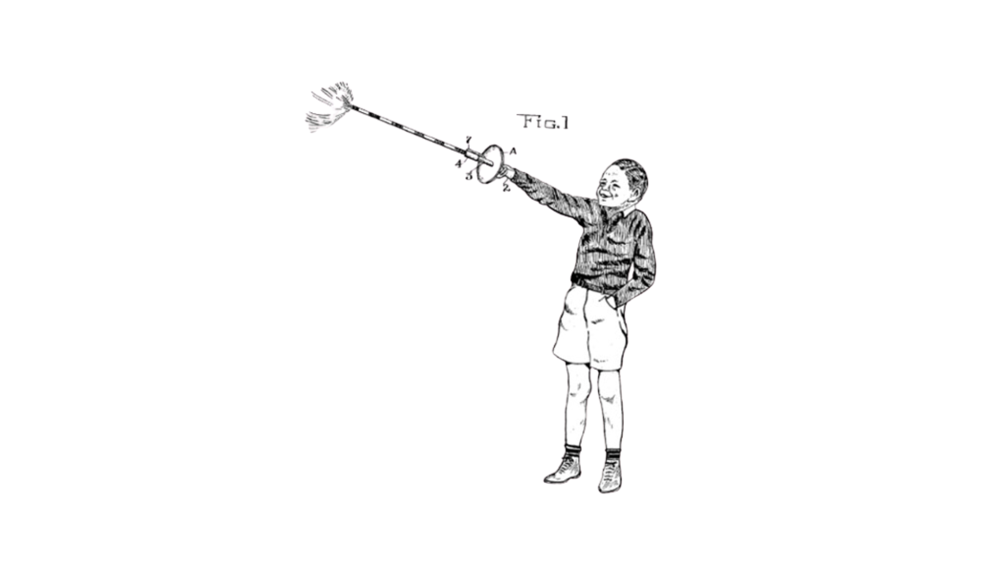
One of the earliest U.S. patents related to fireworks is US638416 (issued on 5 December 1899). US638416 relates to a toy pyrotechnic device featuring sparklers arranged around a rotation wheel.
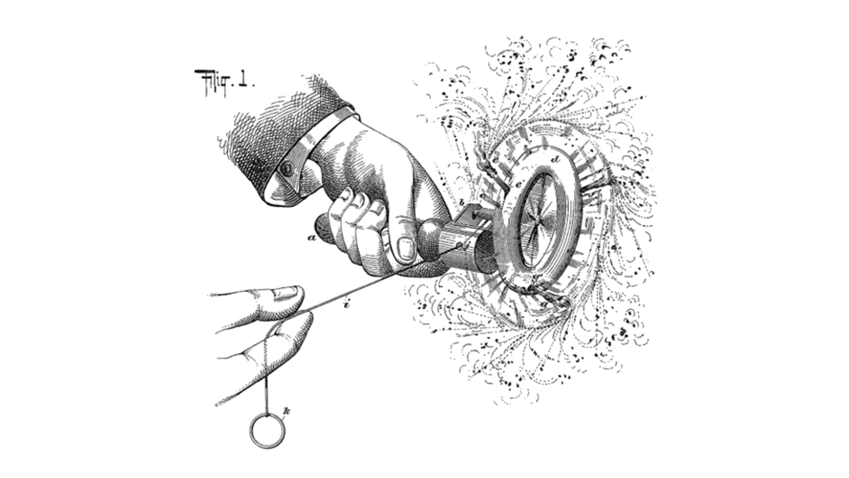
US2268213 describes a shielded fireworks holder designed to safely handle various types of fireworks, focusing on the novel mechanism for securing and positioning the ignition device to mitigate risk during launch.
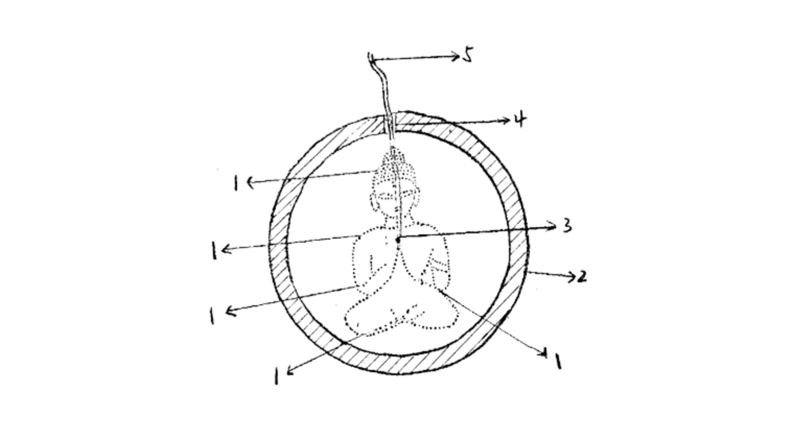
Chinese patent application CN201402106 describes a fireworks display designed to create intricate and large-scale patterns in the sky, such as Buddhist statues, Santa Claus, or zodiac animals. The fireworks display shell is filled with colourful bright beads arranged in specific patterns. When ignited, these beads are launched outward in a radial direction, forming the desired image aloft.
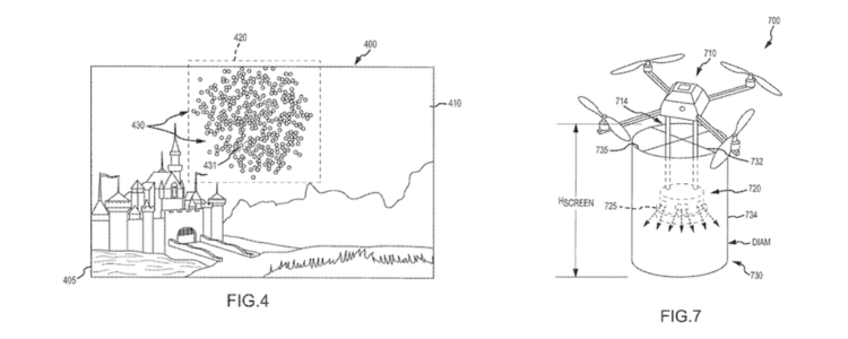
In a modern twist on traditional fireworks, fleets of drones equipped with coloured lights (such as LEDs) can perform synchronised aerial displays. These captivating displays are made possible by the advancement of technology such as those described in US8862285 by Disney.
US8862285 describes an aerial display system that includes numerous unmanned aerial vehicles (UAVs) with display payloads and a ground control system for choreographing their movement and for controlling operation of the payloads to provide a dynamic display.
Sparking Confidence in IP
Guy Fawkes Night combines historical celebration with cultural significance and technological innovation. As we enjoy the breath-taking displays, it's vital to recognise the role of all forms of intellectual property (IP) in driving advancements in this field. The numerous patents for fireworks and eco-friendly alternatives showcase the creativity of inventors focused on enhancing safety and visual effects. Beyond patents, design rights protect the unique form of novel firework casings, and trade secrets safeguard sensitive chemical formulas and proprietary display execution software. IP not only protects these innovations but also encourages responsible practices for future celebrations.
If you're considering applying for a patent, our attorneys are ready to guide you through the process. For more information, email docketing@secerna.com.
Wishing you a spectacular and safe Guy Fawkes Night!